
Pelvic Floor Problems Are Common — But They're Not Something You Have to Put Up With
1 in 3 women in Australia will experience a pelvic floor disorder at some point in their life.
Despite that, most women wait years before seeking help — often because they assume it's a normal part of having children, or that there's nothing that can be done.
Neither is true. Pelvic floor dysfunction is common, but it is not something you simply have to manage. Women's health physiotherapy is specifically designed to assess and treat these conditions, and for many women it makes a significant difference.
What Is the Pelvic Floor and What Can Go Wrong?
The pelvic floor is a group of muscles and connective tissue that forms the base of the pelvis. These muscles support the bladder, bowel, and uterus, control continence, and play a role in sexual function and core stability.
When the pelvic floor isn't functioning well - whether because the muscles are weak, overactive, or uncoordinated a range of symptoms can follow. Common presentations include:
Urinary leakage — leaking with coughing, laughing, sneezing, or exercise (stress incontinence), or a strong, sudden urge to urinate that's difficult to control (urge incontinence).
Pelvic organ prolapse — a feeling of heaviness, dragging, or pressure in the pelvis, sometimes with a sensation that something is bulging. This occurs when the bladder, bowel, or uterus descend from their normal position.
Pelvic pain — pain in the pelvis, lower abdomen, or during intercourse, often related to tension or dysfunction in the pelvic floor muscles rather than weakness.
Postnatal symptoms — back pain, pelvic girdle pain, abdominal muscle separation (diastasis recti), or difficulty returning to exercise after birth.
Bowel issues — difficulty with bowel emptying, urgency, or leakage.
What Does a Women's Health Physio Assessment Involve?
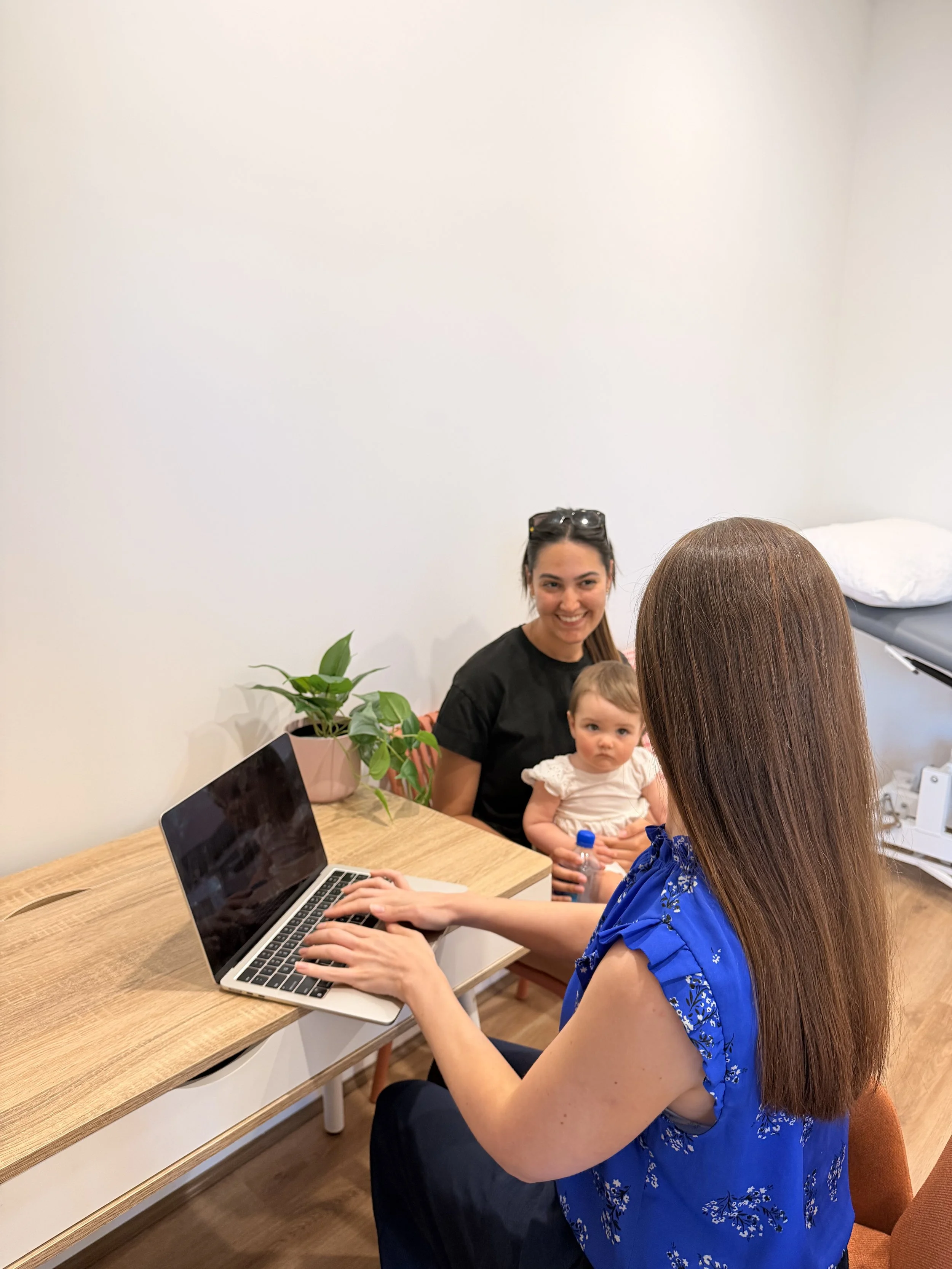
Initial Women’s Health Physio Consultations are an hour long to allow for an in-depth discussion
A first appointment with a women's health physiotherapist starts with a detailed conversation about your symptoms, history, and goals. You'll be asked questions about your bladder and bowel habits, any pregnancies and births, and how your symptoms are affecting your daily life. This is a private, one-on-one consultation.
Depending on what's relevant to your presentation, the assessment may include an examination of your lower back and pelvis, assessment of your movement and posture, and — where appropriate and with your full consent — an internal pelvic floor examination. This allows the physiotherapist to accurately assess muscle tone, strength, coordination, and whether there are any structural concerns
Everything is explained before it happens, nothing is done without your consent, and the pace of the assessment is always guided by what you're comfortable with.
What Can Women's Health Physiotherapy Treat?
Women's health physiotherapy can address a wide range of conditions, including
Urinary incontinence (stress, urge, or mixed)
Pelvic organ prolapse management
Pelvic pain and painful intercourse
Pregnancy-related back pain and pelvic girdle pain
Postnatal recovery and return to exercise
Abdominal muscle separation
Bowel dysfunction
For many of these conditions, physiotherapy is the first-line treatment recommended in clinical guidelines — ahead of surgery or medication. Pelvic floor muscle training, in particular, has strong evidence for improving or resolving urinary incontinence and reducing prolapse symptoms.
When Should You See a Women's Health Physio?
The honest answer is: sooner than most women do. If you've been experiencing any of the symptoms above - even if you've normalised them as "just what happens after having kids" — it's worth getting assessed.
You don't need a GP referral to see a women's health physiotherapist, though your GP or obstetrician can refer you if you'd prefer that pathway.
Emma at Maylands Healthcare Hub
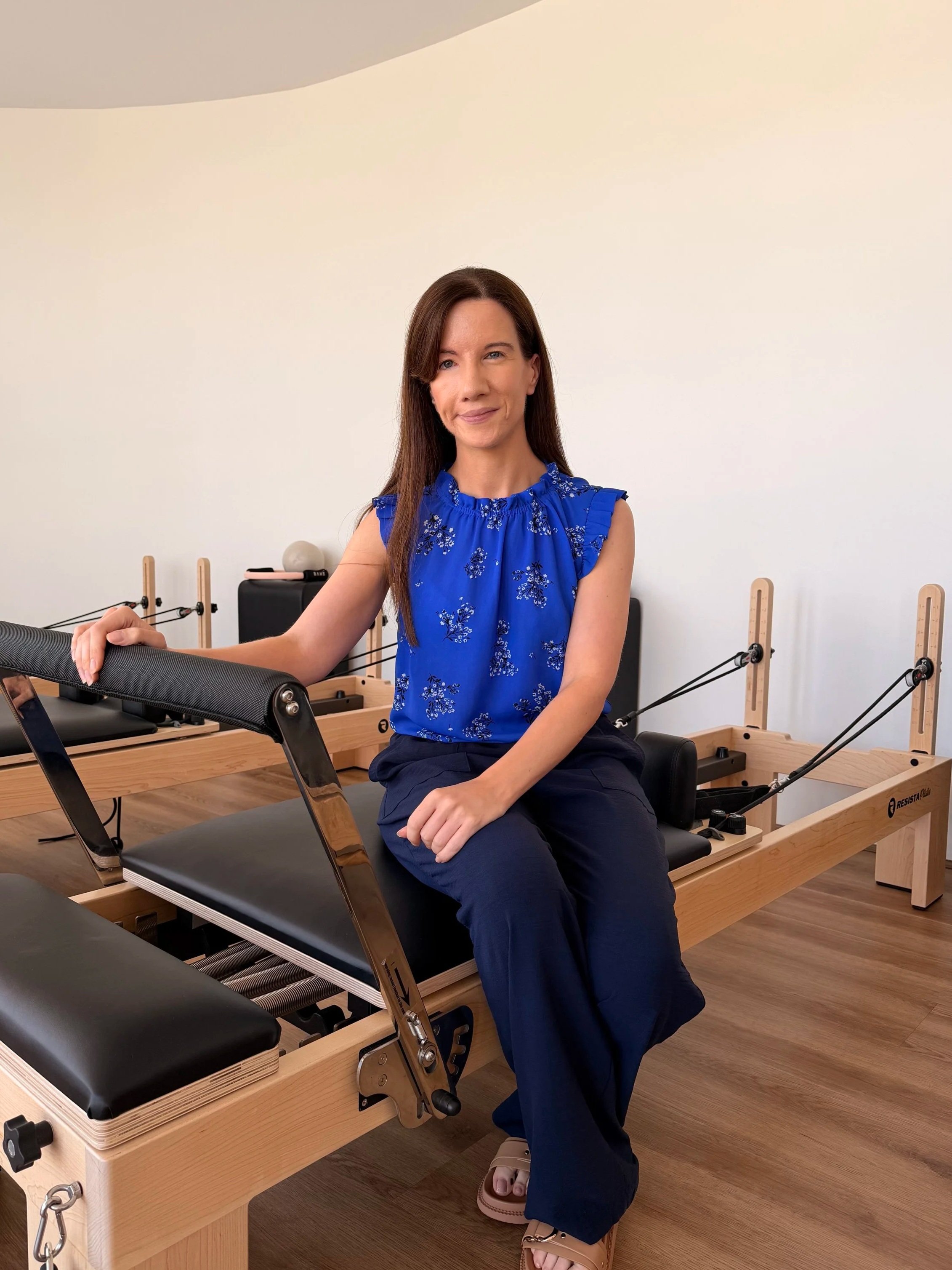
Emma is our women's health physiotherapist at MHH. She sees women at all life stages — from pregnancy and postnatal recovery through to perimenopause and beyond. Her approach is thorough, evidence-based, and grounded in practical support that extends beyond the clinic
MHH also offers clinical Pilates, which can be a valuable complement to pelvic floor physiotherapy — particularly for women working on core and pelvic stability as part of their recovery.
We're located at C1/293 Guildford Rd, Maylands. Book an appointment online or call us to discuss what's right for you.
This article is for general information purposes only and does not constitute medical advice. If you are concerned about your symptoms, please consult a qualified health professional.
