

Specialised Women’s Health
Physiotherapy in Maylands
Supporting Women through all stages of life from pregnancy, postnatal, menopause and beyond. Women’s Health Physiotherapy focuses on the muscles, joints, nerves and connective tissues that support your pelvis and pelvic organs.
Whether you’re pregnant, newly postnatal, navigating pelvic pain, returning to exercise, or moving through perimenopause and menopause, our goal is simple: help you feel strong, confident and in control of your body again.
Our approach is personalised, movement‑focused and grounded in current evidence-so you’re not just treated, you’re empowered
Expert pelvic health care to help you move, exercise, and live confidently - at every stage of life.
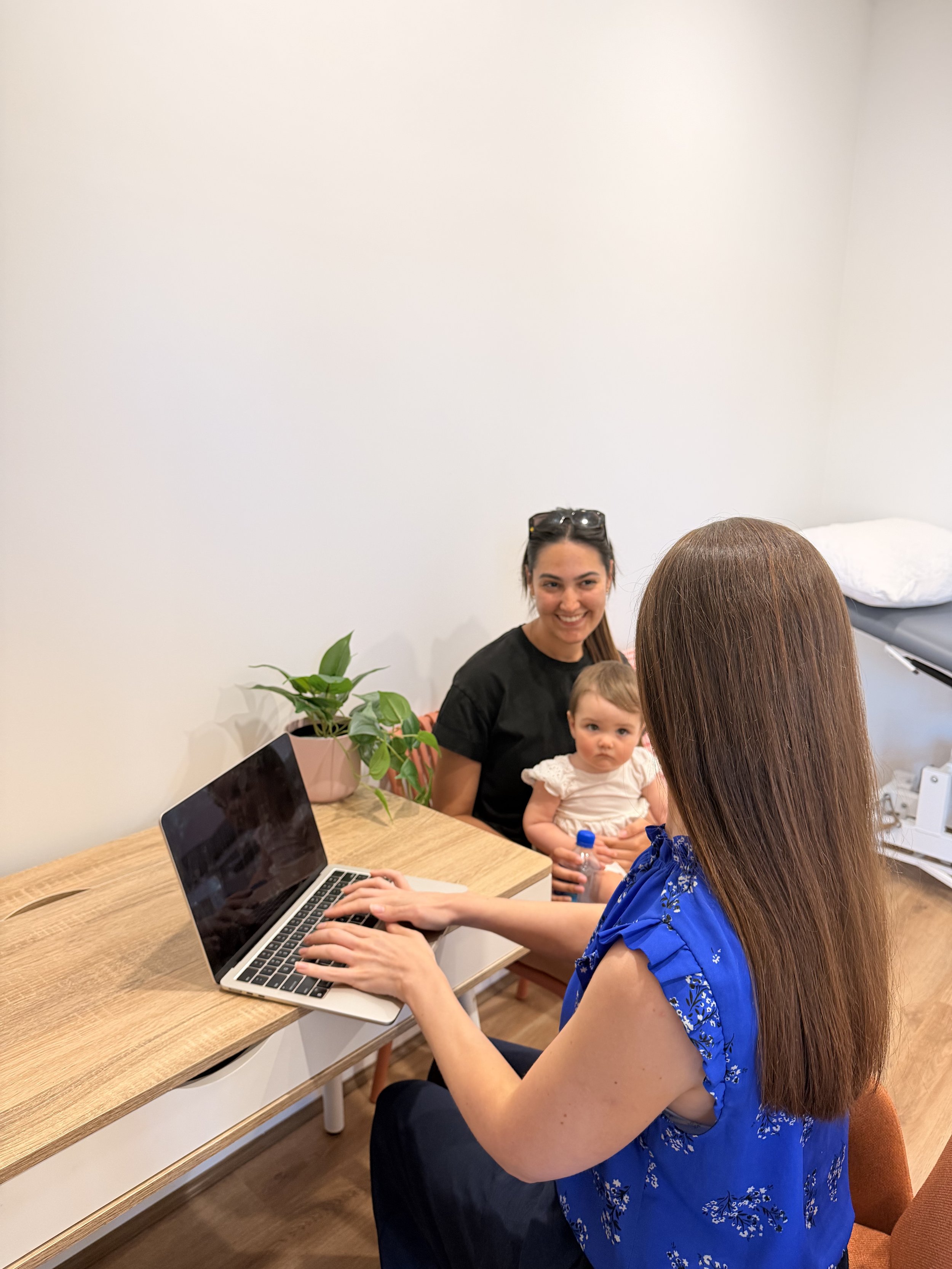
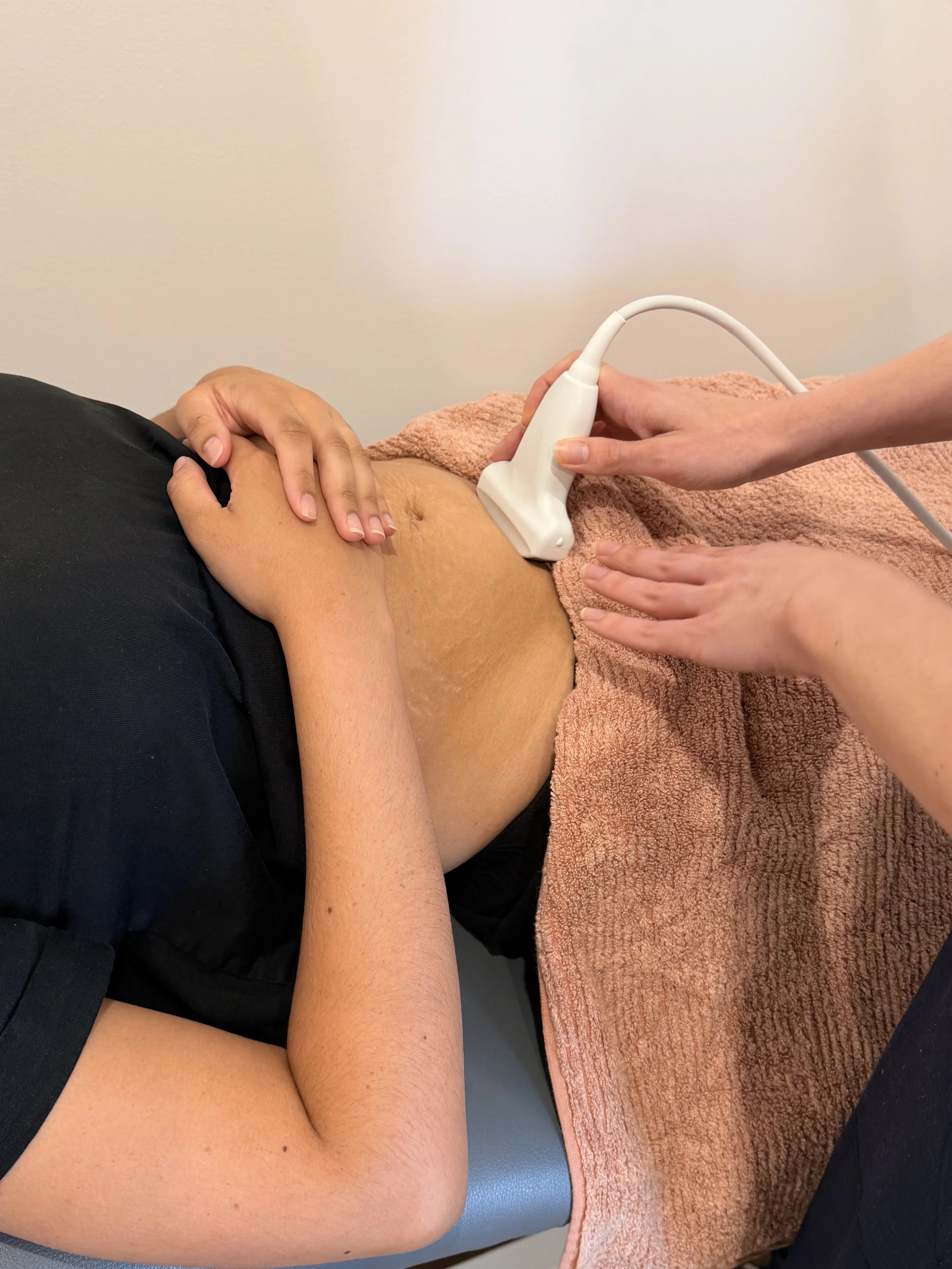
What does a Women’s Health Physio treat?
Pelvic floor physiotherapy can help with a wide range of women’s health concerns, including:
Pregnancy‑related pain (pelvic girdle pain, back pain, hip pain)
Postnatal recovery after vaginal or caesarean birth
Urinary incontinence (leaking with exercise, coughing or sneezing)
Bowel concerns (constipation, urgency, control issues)
Pelvic organ prolapse
Pelvic pain and pain with intercourse
Abdominal separation (diastasis recti)
Return to exercise and sport after birth
Menopause and perimenopause‑related changes
Why Choose Emma our Senior Women’s Health Physiotherapist
Patient Centred
Care tailored to your body, goals and stage of life.
Collaborative Care
We collaborate with trusted women’s health providers to support you fully.
Inviting and calm
Warm, respectful and non-judgemental care at every appointment
Strong focus on Movement
We help you reconnect with your body, rebuild strength and regain confidence for your everyday activities
Your Questions, Answered
-
No referral is required to see a pelvic floor physiotherapist
-
It is not always necessary. From your Health history our Wpmens health Physio will suggest whether an internal assessment is recommended.
-
This varies depending on your goals and condition. We’ll discuss a clear plan with you after your first appointment. -
You can start anytime after birth whether it’s a few weeks or several months. Early assessment can prevent long-term issues, but it’s never too late to get support